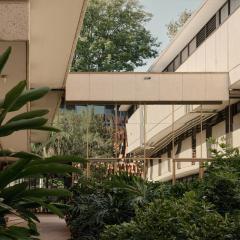
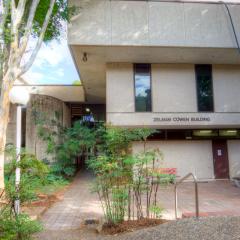
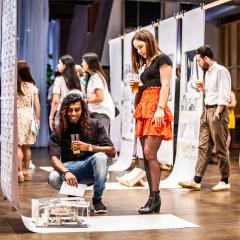
We can't wait to welcome you to Open Day at UQ's St Lucia campus in Brisbane. Explore your interests and study options, immerse yourself in university life and get answers to all your questions.
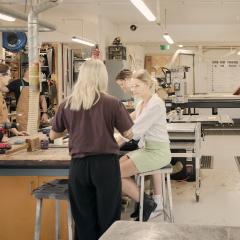
Step into the role of architect, designer, and urban planner in this fun, hands-on workshop where you’ll design and build a model home ready to take on Queensland’s toughest weather challenges.
Join us for the Engineering, Design, and Computing Careers Evening—an exclusive opportunity to explore the wide-ranging career opportunities within these industries.
Dr Mark Jones LFRAIA presents insights from his book Success in Architectural Practice, sharing an evidence‑based framework for sustainable architectural success grounded in excellence, happiness and profit.
Step into the role of architect, engineer, and urban planner in this fun, hands-on workshop where you’ll design and build a model home ready to take on Queensland’s toughest weather challenges.
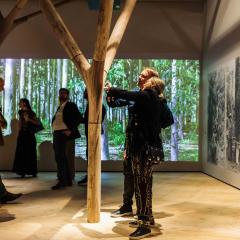
Visit the Museum of the Fake exhibition, showcasing the work of Master of Architecture students who were challenged to consider how architects engage with ideas of authenticity, authorship and originality.
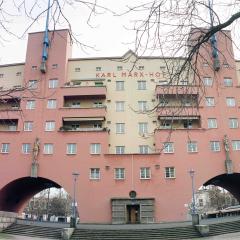
Advantage Austria and visiting senior Austrian experts will share how their housing model works and how their experiences and capabilities can be adopted to address the shortage of affordable housing in Australia.
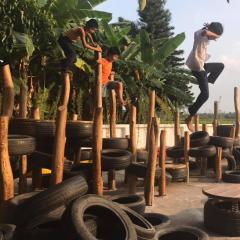
Francesco is a Hanoi-based architect having graduated from the Swiss Federal Institute of Technology in Lausanne (Switzerland, 2016). ThinkPlaygrounds believes that qualitative public space built with the community is fundamental to achieve social equity and increase quality of life for urban citizens, as well as providing a playful childhood to children living in Vietnam.