
A recent usability study conducted in the UQ VisLab investigated how different design configurations of a Total Artificial Heart system may influence usability, safety and user experience.
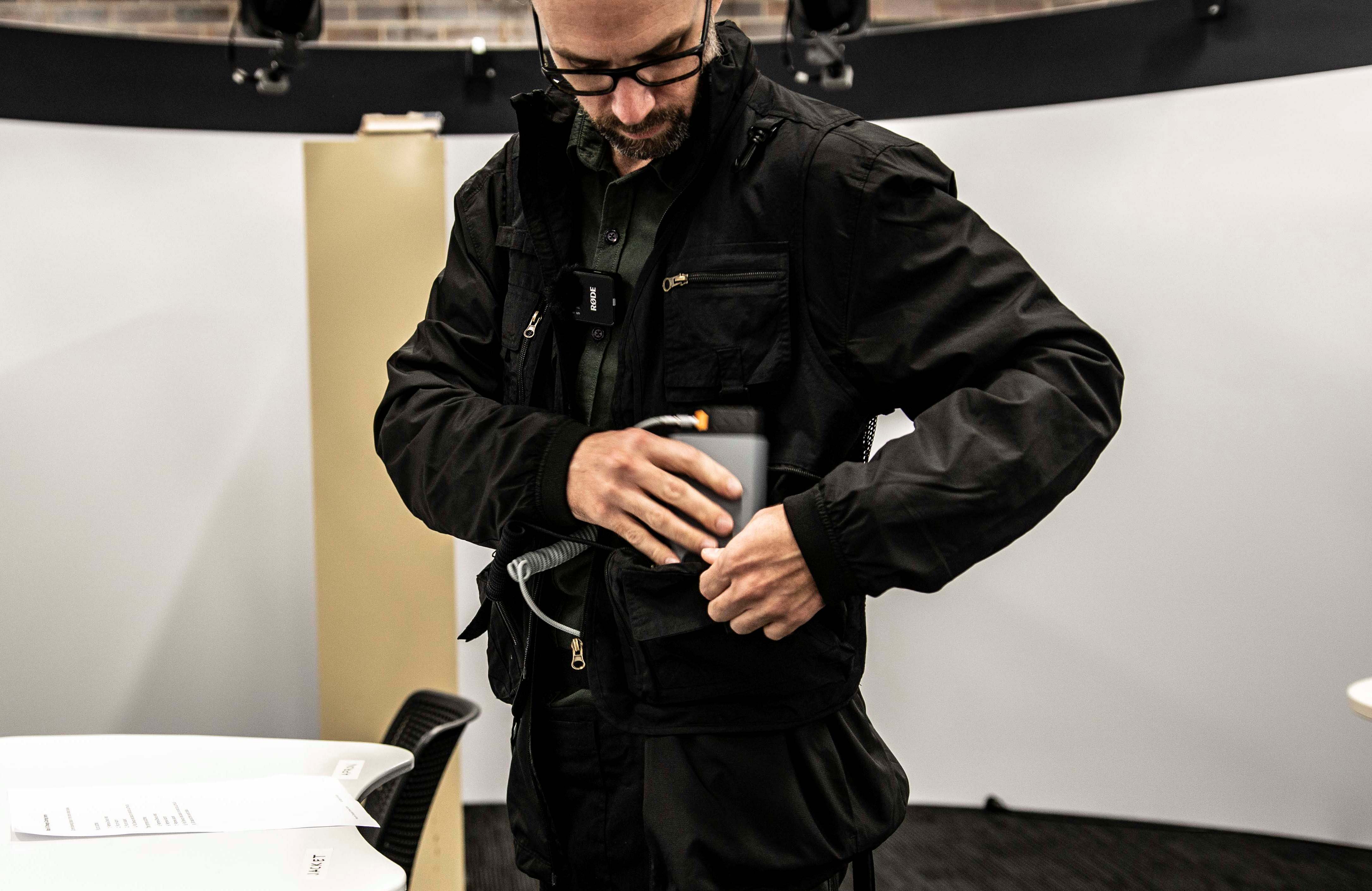
Led by Dr Tom Davidson, the study responds to established challenges associated with Mechanical Circulatory Support devices, including device weight, cable management and interaction complexity. It examines how users interact with alternative system configurations across both everyday activities and higher-risk scenarios.
The VisLab provided a controlled environment in which representative tasks and situations could be recreated while enabling detailed observation and data capture. This allowed the research team to examine user interaction, cognitive load and risk exposure within settings that more closely reflected the context of daily life.
By situating the study within representative task environments, the research supports a more human-centred understanding of how medical devices may be used in practice and helps inform safer and more intuitive design configurations.
The study forms part of the broader Artificial Heart Frontiers Program, with further information available on the AHFP website.
Project Team
The study is led by Dr Tom Davidson, Postdoctoral Research Fellow in Design, with support from Professor Cara Wrigley, Leon Fitzpatrick and Dr Genevieve Mosely.
The project was conducted in the UQ VisLab with support from the VisLab team.


