
A new book by University of Queensland researchers is helping reshape how Design is taught, giving educators practical tools to prepare students for a world where complex challenges require people from different disciplines to work together.
Interdisciplinary Design Education: A guide to pedagogies and practices (Routledge), by Professor Cara Wrigley and Dr Genevieve Mosely, draws on more than a decade of research and the expertise of 50 educators and practitioners from around the world.
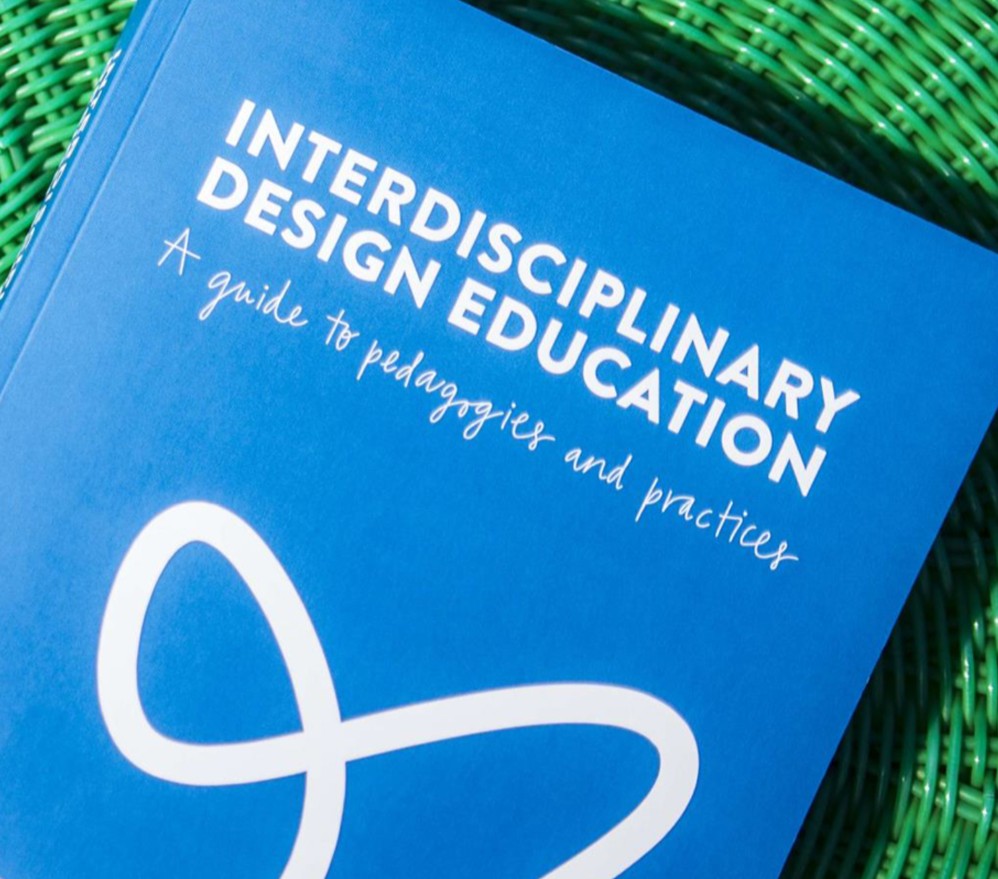
Professor Wrigley said the book was inspired by the changing demands being placed on graduates.
"The problems graduates will face rarely fit neatly into one discipline. Whether it's healthcare, sustainability, new technologies or community challenges, they'll be working with people who bring different expertise and different ways of thinking," Professor Wrigley said.
To explore how educators can better support learning across disciplinary boundaries, the authors drew on international perspectives from educators and practitioners working across design, architecture, engineering, health, business and technology.
The research identified six signature pedagogies, and 70 practices educators can help students learn, collaborate and work across disciplines.
For Dr Mosely, the goal is ultimately to help prepare graduates for a future where technical expertise alone is no longer enough.
"We want graduates to leave university with deep expertise in their own field, but also with the confidence to work across disciplines when challenges demand it," Dr Mosely said.
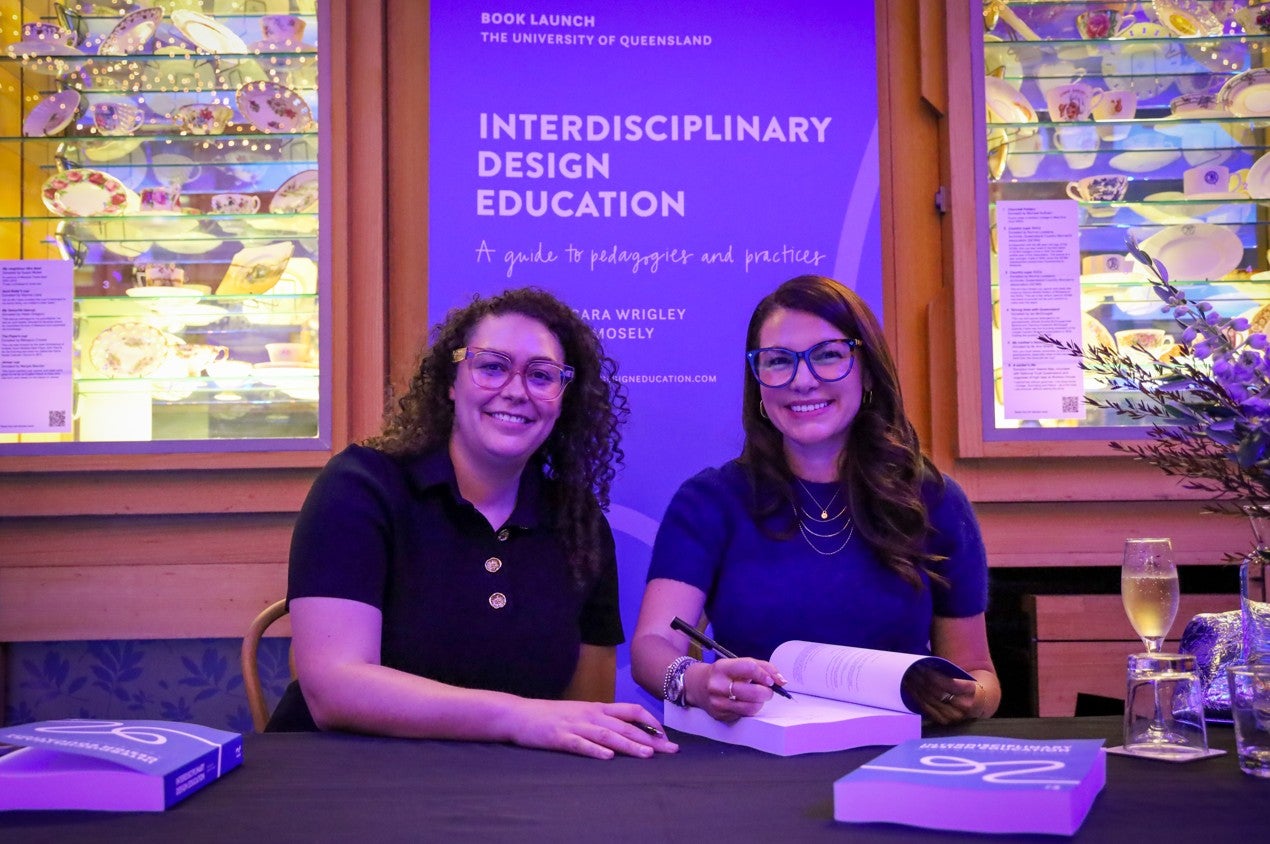
The book explores practical approaches that help students develop empathy, navigate uncertainty, make their thinking visible and create solutions to complex practical challenges.
For Dr Brandon Gien, Founder and Chair of Good Design Australia, those capabilities are becoming increasingly valuable across industries.
"We can get designers to work alongside lawyers, medical professionals, engineers and a whole range of professionals to add value and have real impact," Dr Gien said.
"That's the reality of modern problem-solving. The opportunities ahead will belong to people who can work across professions, connect different forms of expertise and collaborate to create meaningful outcomes."
Reflecting on the book's practical focus, Professor Wrigley said its strength lies in giving educators flexibility.
"If there's one message I'd like people to take away from this book, it's that we've provided 70 different ingredients through these practices, but educators can create the recipe that’s right for their students," Professor Wrigley said.
At a time when universities are rethinking how they prepare students for the future, Interdisciplinary Design Education offers more than a teaching resource. It provides a practical blueprint for educators seeking to develop the collaborative, creative and interdisciplinary capabilities needed to address some of society's most pressing challenges.
"Emerging technologies, including AI, will inevitably change aspects of professional practice, but the more enduring capability is knowing how to work with people, knowledge, and perspectives that differ from your own," Dr Mosely said.
Interdisciplinary Design Education can be purchased from all good book sellers. Get a copy here.


