
Three research projects involving Dr Jurij Karlovsek have been featured in 100 UQ AI Innovations Changing the World, showcasing how artificial intelligence is being applied to practical challenges in infrastructure inspection, monitoring and resilience. Jurij is part of the UQ VisLab team and is a Senior Lecturer in UQ’s School of Civil Engineering. The featured research spans different areas of infrastructure engineering, from improving the assessment of regional road networks to automating tunnel inspection and developing AI-enabled digital twins for underground infrastructure.
James O’Kane — AI for unsealed road inspection
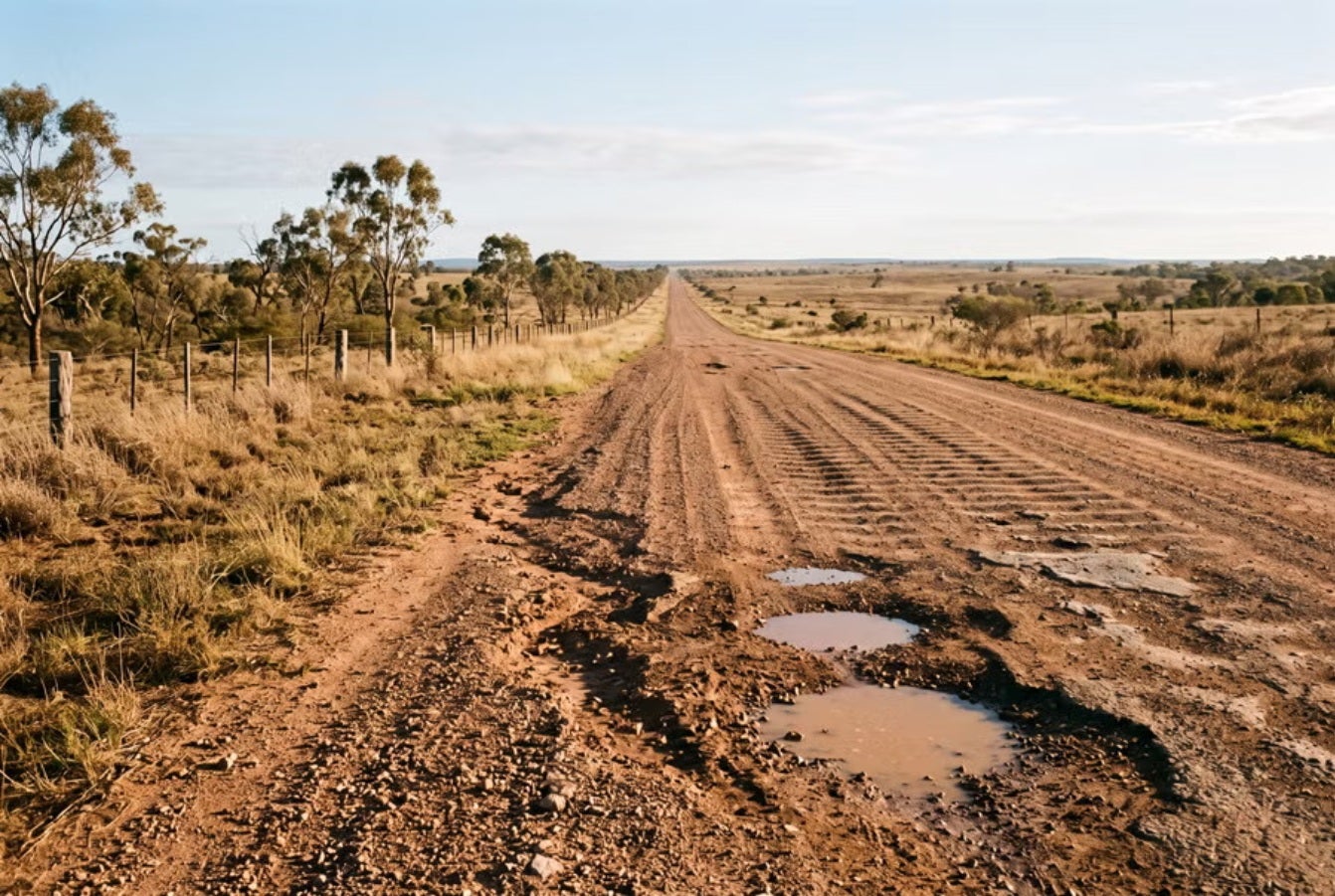
James O’Kane’s research explores how generative AI can support the inspection of unsealed roads across different surface materials. Rather than relying on models that perform well only on the road materials they were trained on, the research aims to develop more transferable methods for identifying damage across changing surface conditions, supporting more consistent road condition assessment and maintenance decisions.
Mohan Ren — AI-assisted tunnel inspection
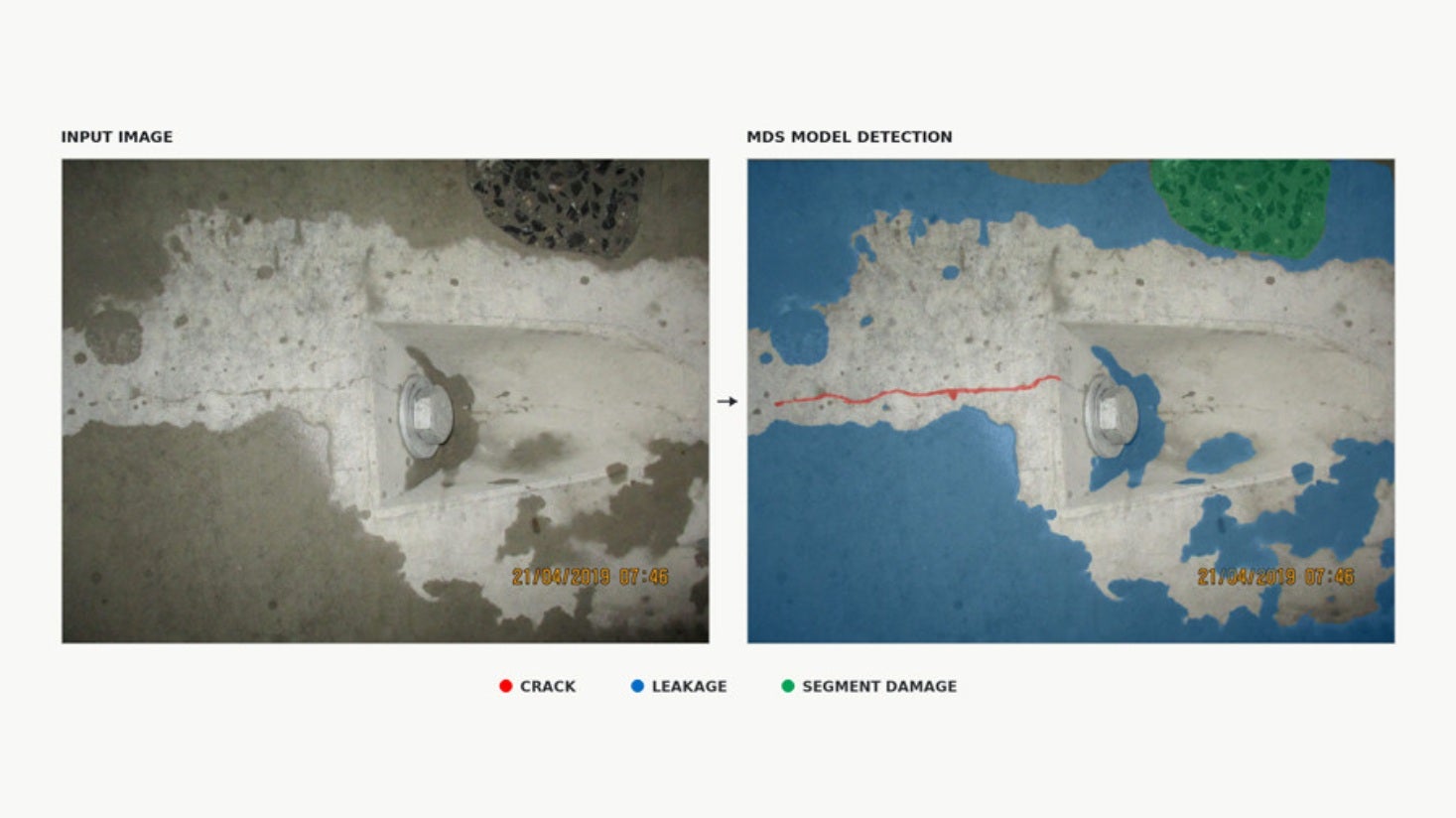
Mohan Ren’s research is developing AI-based computer vision methods for identifying multiple forms of tunnel-lining deterioration, including cracks, water leakage and segment damage. The system is designed to distinguish and map different defect types within the same imagery, supporting faster and more consistent inspection of ageing underground infrastructure. The research also considers practical deployment, with the model substantially reduced in size while maintaining a similar level of performance, increasing its potential for automated tunnel inspection applications.
Abhinav Dewangan — AI-enabled digital twins for infrastructure resilience
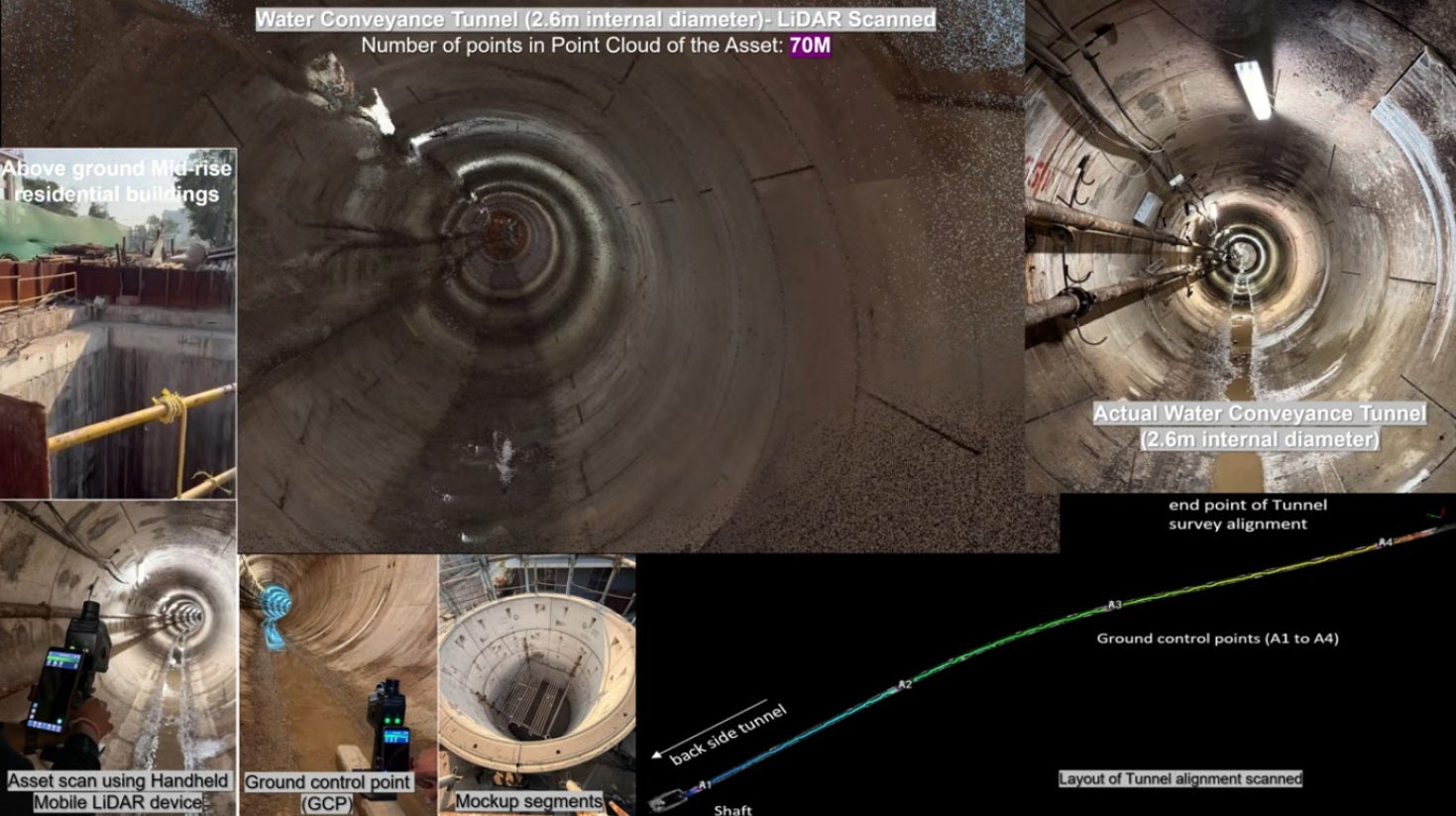
Abhinav Dewangan’s research brings together AI, mobile LiDAR, geospatial information and physics-based modelling to develop digital twins of underground infrastructure. The approach uses detailed 3D scans of existing tunnel conditions to support the assessment of deformation and damage, and to examine how infrastructure may respond to hazards such as earthquakes and flooding. A key outcome is a Resilience Dashboard, designed to translate digital-twin and risk information into insights that can support monitoring, maintenance, infrastructure upgrades and emergency planning.
Together, these projects highlight different ways in which AI and digital engineering are extending infrastructure research — from interpreting images and physical conditions to connecting spatial data with digital models and decision-making. They also reflect the broader intersection of artificial intelligence, digital twins and spatial technologies explored across UQ research and within the multidisciplinary environment of UQ VisLab.
Explore the wider collection through 100 UQ AI Innovations Changing the World.


